GHSA-fj52-5g4h-gmq8
pyLoad's Session Not Invalidated After Permission Changes
- Severity
- 0.0 / 10
- Low · CVSS 4.0
- Exploit chance (EPSS)
- —
- No score published
- Known exploited
- No
- Not in CISA's catalog
- Weakness
- CWE-613 Insufficient Session Expiration
- Fix
- None yet
- No fixed version published
Description
Summary
The pyload application does not properly invalidate or modify sessions upon changes made to a user's permissions.
Details
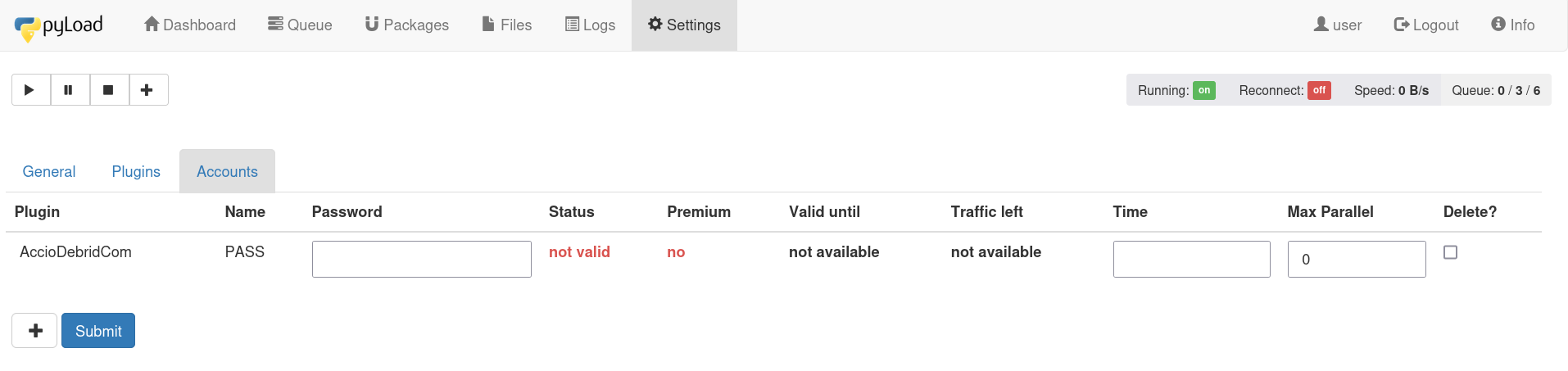
Whenever an administrator changes the permissions a specific account has, they do not expect that account still being able to access data that their new permissions do not allow. This is not the case for the pyload application, as a user with a valid session can still perform the actions.
PoC
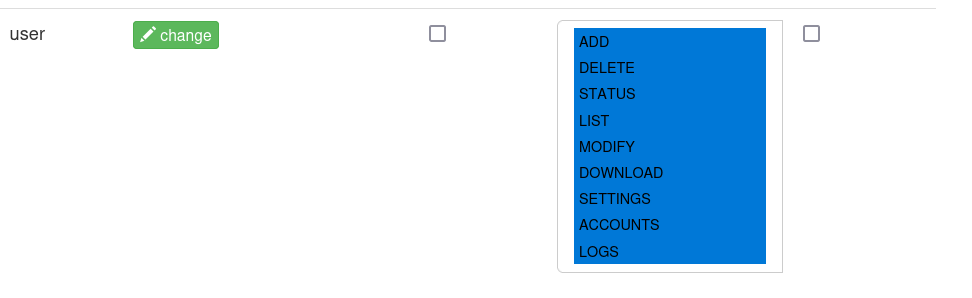
Take a user with all the permissions, as shown below. image
We now log in as this user. image

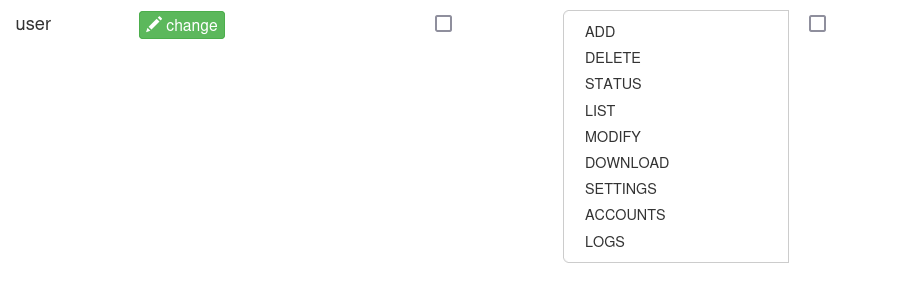
Let us now take away all the permissions. image
The logged in session can still be used to access everything in the application. image
Impact
Should permissions be taken away, then the user is expected not to be able to execute the actions belonging to those actions anymore.
Affected versions
PyPI
| Package | Vulnerable | Fixed in |
|---|---|---|
| pyload-ng | <= 0.5.0b3.dev97 |
No fix yet |
How to fix
No fixed version has been published yet. Until one is, remove or replace the package, or turn off or isolate the affected feature. This page updates when a fix ships.
Severity breakdown
CVSS 4.0 0.0
CVSS:4.0/AV:N/AC:H/AT:N/PR:N/UI:N/VC:L/VI:L/VA:N/SC:N/SI:N/SA:N/E:P
- Attack vector
- Network
- Attack complexity
- High
- Attack requirements
- None
- Privileges required
- None
- User interaction
- None
- Confidentiality (vulnerable system)
- Low
- Integrity (vulnerable system)
- Low
- Availability (vulnerable system)
- None
- Confidentiality (subsequent systems)
- None
- Integrity (subsequent systems)
- None
- Availability (subsequent systems)
- None
- Exploit maturity
- Proof of concept
Weakness
CWE-613: Insufficient Session Expiration
According to WASC, "Insufficient Session Expiration is when a web site permits an attacker to reuse old session credentials or session IDs for authorization."
How to prevent it
- Implementation: Set sessions/credentials expiration date.
References
Packages
Other links
Timeline
- Published
- Last updated by the source
Related advisories
| Advisory | Severity | Why it's related |
|---|---|---|
| GHSA-68w4-83fh-f2w8 pyload-ng: getUserData/get_userdata exposed at Perms.ANY allow any authenticated account to brute-force the administrator password | High | Also affects pyload-ng |
| GHSA-9q47-3cm2-2rp8 pyLoad: Rate-Limit Bypass and Audit-Log Spoofing via Trusted Client-Controlled `X-Forwarded-For` Header | Medium | Also affects pyload-ng |
| GHSA-jq7h-wrvp-3rgx pyLoad: Privilege revocation and password change through the REST API do not invalidate the user's session | High | Also affects pyload-ng |
| GHSA-889w-m37p-88m5 pyLoad: Api.set_user_permission never invalidates the target's session | High | Also affects pyload-ng |
| GHSA-p3pr-8f3m-4qp8 pyLoad WindowsPhoneNotify addon: non-admin SETTINGS user triggers SSRF via unguarded http.client notification host | Medium | Also affects pyload-ng |
| GHSA-fr26-jjhm-638c pyLoad: Tar extraction creates device nodes and FIFOs (member types not filtered; tarfile extractall without filter=) | High | Also affects pyload-ng |
| GHSA-r44w-v6gf-x3p6 pyLoad has an authentication bypass in API key validation (check_apikey cache) | High | Also affects pyload-ng |
| GHSA-j92p-c242-7hfx pyLoad: Unauthenticated access to /web/<path:filename> bypasses authentication on sensitive templates and leaks internal error details via exception attribute typo | Medium | Also affects pyload-ng |
MergeHarbor checks every repository's dependencies against this database, ranks what matters by exploitability and reachability, routes it to the owning team and opens the fix pull request.
Check your repos with MergeHarbor