GHSA-8jr5-v98p-w75m CVE-2026-12491 PYSEC-2026-3406
vLLM: image EXIF Rotation & PNG tRNS Transparency Not Normalized, Causing Mismatch Between Model Input and Expectations
- Severity
- 4.8 / 10
- Medium · CVSS 3.1
- Exploit chance (EPSS)
- 0.24%
- Chance of exploitation in the next 30 days. Higher than 15.05% of scored vulnerabilities.
- Known exploited
- No
- Not in CISA's catalog
- Weakness
- CWE-436 Interpretation Conflict
- Fix
0.24.0- Upgrade vllm to this version or later
Description
Summary
Issue 1: EXIF orientation not normalized → The image orientation processed by the model differs from how humans view it, introducing interpretation bias.
Issue 2: PNG tRNS not explicitly flattened before converting to RGB → After conversion, transparent/semi-transparent pixels are rendered unexpectedly, making otherwise subtle overlay elements visible and distorting the input content. (This attack is similar to AlphaDog: RGBA handling is already correct in vLLM, but since tRNS permits RGB images, the correct processing path isn’t taken.)
Issue 3 : Pillow only loads the first frame when loading APNG or GIF files.
Root Cause
- Rotation: After opening an image,
ImageOps.exif_transposeis not called to normalize EXIF orientation. - Transparency: Only RGBA→RGB is flattened with a background; PNGs carrying
tRNSinP/L/RGB + tRNSand other non-RGBA modes take theimage.convert("RGB")path, which implicitly discards/remaps transparency semantics.
Affected Code
Current state:
ImageOps.exif_transposeis not used. (Although therescale_image_sizefunction (https://github.com/vllm-project/vllm/blob/main/vllm/multimodal/image.py#L14) exists and includes atransposeparameter, I’ve found that it doesn’t seem to be called anywhere outside thetestdirectory.)
Call order:
_convert_image_moderuns first; if the conditions are met,convert_image_modeis called.Issue: Only the “RGBA → RGB” path is explicitly flattened.
P,L, orRGBwithtRNSall fall back toimage.convert("RGB"). For PNGs that includetRNS,convert("RGB")directly produces 24-bit RGB, leading to:
Pmode: The transparent index becomes an actual RGB color (often black, white, or an undefined background), so transparency is lost.L/LAandRGB + tRNS:convert("RGB")doesn’t composite against a chosen background first, so elements that relied on transparency to be hidden or softened become solid.
Impact & Scope
- Impact: Pixels the model sees can diverge from operator expectations (due to orientation or transparency handling), potentially altering downstream reasoning.
- Scope: The image I/O and mode-conversion paths in
vllm/multimodal/image.py. The existing RGBA→RGB flattening is correct; the issues center on missing EXIF normalization and non-RGBAtRNSnot being explicitly composited.
Case
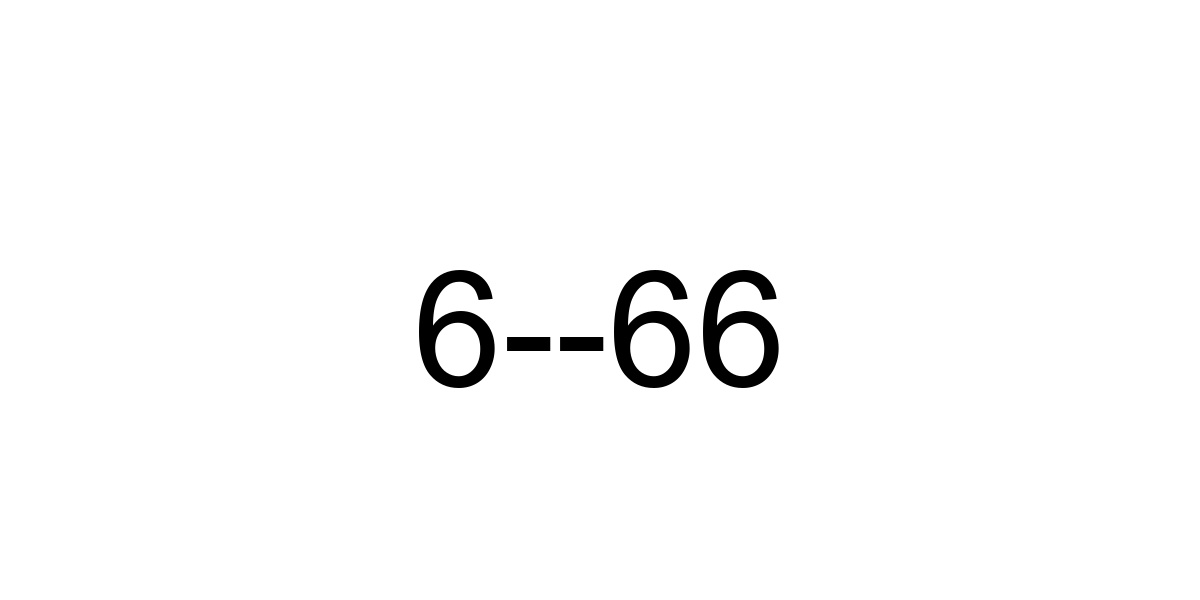
EXIF: http://qiniu.funxingzuo.top/exif_orient_180.jpg tRNS: http://qiniu.funxingzuo.top/hello.png

Fix
A fix for this vulnerability was merged here: https://github.com/vllm-project/vllm/pull/44974
Affected versions
PyPI
How to fix
Move to the fixed version or later with your package manager, update the lockfile, and run your tests. If the package only arrives through another dependency, upgrade that dependency first. If none of its releases pulls a fixed version yet, force the version with your package manager's override.
vllm PyPI → 0.24.0
- pip
pip install --upgrade "vllm>=0.24.0"- poetry
poetry add "vllm>=0.24.0"- uv
uv add "vllm>=0.24.0"
Severity breakdown
CVSS 3.1 4.8
CVSS:3.1/AV:N/AC:H/PR:N/UI:N/S:U/C:N/I:L/A:L
- Attack vector
- Network
- Attack complexity
- High
- Privileges required
- None
- User interaction
- None
- Scope
- Unchanged
- Confidentiality
- None
- Integrity
- Low
- Availability
- Low
Weakness
CWE-436: Interpretation Conflict
Product A handles inputs or steps differently than Product B, which causes A to perform incorrect actions based on its perception of B's state.
References
Advisories
Packages
Other links
- github.com/vllm-project/vllm/security/advisories/GHSA-8jr5-v98p-w75m
- github.com/vllm-project/vllm/pull/44974
- github.com/vllm-project/vllm/commit/cf1c90672404548aa3bc51f92c4745576a65ee26
- access.redhat.com/security/cve/CVE-2026-12491
- bugzilla.redhat.com/show_bug.cgi
- github.com/pypa/advisory-database/tree/main/vulns/vllm/PYSEC-2026-3406.yaml
- pypi.org/project/vllm
Timeline
- Published
- Last updated by the source
- Latest EPSS score
Related advisories
| Advisory | Severity | Why it's related |
|---|---|---|
| GHSA-8397-8qf6-f2gm vLLM: Phi-4 multimodal audio encoder materializes and retains full attention matrices: a single max-length audio OOM-crashes the vLLM engine | Medium | Also affects vllm |
| GHSA-x567-49g5-p4cf vLLM: Responses API bypasses trust_request_chat_template for chat_template_kwargs | Medium | Also affects vllm |
| GHSA-vvpg-rrww-wpmh vLLM: Permissive default CORS origins allow cross-origin requests to the vLLM HTTP server | Medium | Also affects vllm |
| GHSA-q97c-p368-75c4 vLLM: Out-of-vocabulary prompt token id passes input validation and triggers a CUDA device-side assert (engine crash / DoS) | Medium | Also affects vllm |
| GHSA-h3rc-j82p-2c3h vLLM: Untrusted EPS inputs can trigger denial of service or Ghostscript RCE | High | Also affects vllm |
| GHSA-gq5q-89c7-vhvx vLLM DeepSeek-OCR image processing vulnerable to denial of service | Medium | Also affects vllm |
| GHSA-6757-hggm-hp2w vLLM: Public multimodal SHM handle forgery reaches worker-side `pickle.loads()` with insecure serialization disabled | High | Also affects vllm |
| GHSA-542m-9234-8gvf vLLM: DoS via unbounded chat_template Jinja2 rendering exhausts the renderer thread pool | Medium | Also affects vllm |
MergeHarbor checks every repository's dependencies against this database, ranks what matters by exploitability and reachability, routes it to the owning team and opens the fix pull request.
Check your repos with MergeHarbor